
Cadmium Electroplating
New Method Plating Company, Inc. is one of the finest specialty platers in New England. We offer nickel, zinc, chrome, copper, and Cadmium Electroplating to enhance the properties of diverse components. Here, learn more about our capabilities with Cadmium Electroplating specifically, and the many benefits and applications of the process.
Cadmium Electroplating Explained
Cadmium Electroplating is an electroplating method through which manufacturers apply cadmium to the surface of a substrate material in a thin layer. The substrate is typically another metal, with common choices being iron and steel. The goal is to improve the surface properties and resiliency of plated components, making the process a popular option for enhancing products across diverse industries. It’s particularly well-known for its ability to improve solderability as well as resistance to wear and corrosion.
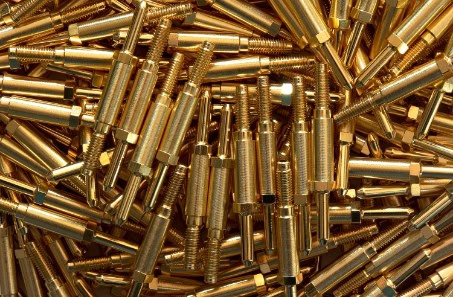

(Click The Infographic To Enlarge)
Types of Cadmium Electroplating
At New Method Plating, we utilize a cyanide-based electrolyte solution for our Cadmium Electroplating. While such solutions are toxic, our team is experienced in safely working with and disposing of cyanide plating baths. This electroplating technique, cyanide Cadmium Electroplating, achieves a smooth, bright surface finish on a substrate while simultaneously giving it exceptional corrosion resistance.
Cadmium Electroplating is classified into types I through III, depending on its coloring post-treatment. Type I, or “as plated,” is Cadmium Electroplating’s natural coloring, or its appearance without undergoing any color treatments. Iridescent yellow in color, type ll is a supplementary chromate treatment. After a period of 96 hours in a 20% salt spray solution, type II Cadmium Electroplating should not expose white corrosion cadmium products, basis metal corrosion products, or pitting.
AMS QQ-P-416 is a critical standard in the aerospace industry for Cadmium Electroplating. The standard categorizes Cadmium Electroplating into distinct types and classes, each with defined requirements concerning plating thickness, the strength of its adhesion, and its final appearance. The various classes of Cadmium Electroplating and the associated thickness of coating are:
- Class 1: Minimum coating thickness of 0.0005″
- Class 2: Minimum coating thickness of 0.0003″
- Class 3: Minimum coating thickness of 0.0002″
Benefits of Cadmium Electroplating
The key advantages Cadmium Electroplating will lend to your next project include:

Industries and Applications
New Method Plating provides Cadmium Electroplating services for numerous key industries.
-


Aerospace
Aerospace
Aerospace is the primary industry using cadmium-plated parts in today’s market. The industry relies on durable components that will maintain their integrity in the face of high heat and corrosive substances. The plating material’s natural lubricity and electrical conductivity add to its popularity for mission-critical aerospace products such as:
- Control systems
- Electrical connectors
- Landing gear
- Screws and various fasteners
- Wrenches
-

Communications Equipment
Communications Equipment
Cadmium Electroplating is useful in the communications sector for protecting parts and equipment that undergo frequent exposure to everything from saltwater and corrosive chemicals to extreme thermal conditions. You might use such cadmium-plated communications system components as:
- Chassis
- Connectors
- Relays
-

Marine
Marine
Components for the marine industry must be able to withstand saltwater exposure. Cadmium Electroplating provides excellent corrosion resistance properties, making it an ideal solution for the following:
- Offshore platforms for oil and gas operations
- Marine fasteners and hardware
- Shipbuilding applications
-

Military and Defense
Military and Defense
For handling rugged applications in harsh environments, the military and defense sector is another industry that depends on Cadmium Electroplating to ensure parts and products maintain their performance. The electroplating process is common for the following applications:
- Bonding components to aluminum aircraft frames
- Military vehicle parts like hoses, disc brakes, and door handles
- Weaponry systems
-

Nuclear Power
Nuclear Power
Cadmium effectively absorbs neutrons, making plating of this material well-suited to nuclear power applications. Examples in this market include:
- Nuclear reactor control rods
- Shielding products
-

Electronics (Limited)
Electronics (Limited)
Cadmium Electroplating isn’t used as frequently today in the electronics sector, but you may see the process utilized for specialized applications with:
- Connectors
- Hardware
- Laptop and cellphone batteries
- Relays
- Switches
Cadmium Electroplating Process
To achieve the benefits that Cadmium Electroplating offers, components must first go through a multi-step process.
Surface Preparation
- Cleaning. The electroplating process begins with a thorough cleaning of the substrate’s surface using methods such as abrasive blasting, acid pickling, or alkaline cleaning. This process step effectively eliminates surface contaminants like dirt, rust, and grease.
- Rinsing. Next, we use water to rinse the parts, washing away any remnants of the cleaning agent.
Plating Bath
- Bath Composition. We’ll make up a Cadmium Electroplating bath of cadmium oxide and sodium cyanide. These baths are typically a combination of cadmium metal ions, controlling additives, and complexing agents.
- Electroplating. We connect the substrate to a DC power supply’s cathode, the negative terminal, and immerse that substrate into the prepared plating bath. The positive terminal is adjoined with a cadmium anode. Once electrical current begins to flow, the cadmium ions reduce and the process deposits the thin cadmium coating onto the part surface.
- Plating Thickness. The current density and plating time are factors responsible for the cadmium layer’s thickness.
Post-Treatment
- Cleaning. We again rinse the plated parts with water, removing any residual plating solution.
- Chromate Conversion Coating. This post-treatment process immerses plated components into a chromate solution. An optional step, chromate conversion coating enhances both form and function, achieving a decorative surface finish on a part while improving its resistance to corrosion.
- Drying. To efficiently dry coated parts, we’ll utilize hot air or similar drying techniques.
Inspection
- Visual Inspection. Plated parts undergo a visual inspection so we can check for uneven coating thickness and pits, blisters, or other surface defects.
- Thickness Measurement. Finally, our team utilizes magnetic induction or X-ray fluorescence to measure the thickness of the plating and ensure your parts receive optimal surface protection.
Cadmium Electroplating From New Method Plating
With nearly a century of industry experience, New Method Plating Company is a family-owned business that takes pride in providing our loyal customers with high-quality metal finishing and electroplating services. We’re committed to excellence in everything we do, maintaining compliance with all necessary industry certifications.
Our skilled team combines process expertise with advanced equipment to quickly deliver customized finishing solutions without sacrificing quality. Contact our team to learn how precision Cadmium Electroplating can enhance performance properties on your next project, or request a quote today.
© 2026 New Method Plating Company, Inc. All Rights Reserved | Site Created by Thomas Marketing Services